
Right mix of Strategic and Tactical Marketing Initiatives in B2B Marketing Space
There is a tussle among B2B Marketers to use ABM vs traditional Demand Gen marketing approaches and get the right return on marketing dollars.
Gradually it has been observed specifically for high ticket products or solutions that traditional approaches are not yielding much results in terms driving quality leads . It is very important to follow a complete customer journey , drive them from Awareness to Purchase stage through a systematic manners. But traditional approaches directly push customers to purchase stage and therefor funnel vs conversation ratio are so low.
According to HubSpot’s 2019 State of Inbound Global Report, 56% of North American respondents stated that improving the efficiency of the sales funnel was a top priority for their team. On top of this, 40% said that getting a response from leads was more difficult today than it was just a few years ago. Twenty-eight percent (28%) were having difficulty even assessing the value of their leads.
Demand Generation has been the go-to strategy for B2B marketing for quite a long time. And more recently, Account Based Marketing (ABM) has started gaining traction.
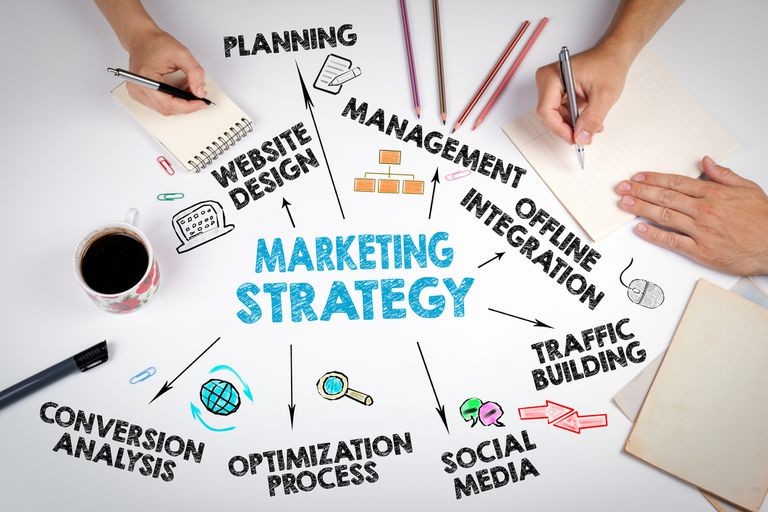
To get better results, it is very important also to understand how to create complete journey by using both online and offline marketing mix.
As 2020 just around the corner, choose right marketing strategy as part of your B2B Marketing toolkit for next year..
Understanding the Value of Account Based Marketing
With account-based marketing, you’re targeting specific clients or specific companies. The marketing material you produce will be personalized to those accounts. The idea with account-based marketing is to target a select list of ideal accounts, and to do so in a personalized manner.
The first step is to identify the accounts that you would value most as clients, and then once you have that list, you research and define the specific individuals within each account whom you will target and strive to build relationships with. You then engage in ongoing, targeted outreach to such individuals, fully customized to what you feel would be the most relevant communications and messaging for each account and individual.
ABM is not limited to cold outreach. You’re likely to use pre-existing relationships and networks to help you communicate with decision-makers at your target companies, where you can, but you don’t need to limit your ABM efforts to non-clients. Among your larger clients, there may be other divisions, other departments, other offices, and other groups that are in need of your services and represent just as much a new sales opportunity as any non-client company.
With inbound marketing on the other hand, marketers sometimes aim for “quantity over quality”. With inbound marketing, the goal is to generate a lot of leads and follow-up with all of them in order to qualify them. Gradually, you filter those leads down to a few prospects that are willing, able, and interested in buying, and you focus on those. Think of ABM as the exact opposite. It’s essentially flipping the funnel on its head. You start with your ideal prospects. You leapfrog the top of the funnel and jump right into outreach and engagement that, often with inbound marketing, would be reserved for the middle or lower in the funnel. Whereas with inbound marketing, you never know who will contact you until they do, with ABM you know exactly who you’ll target and the exact brand touch points they will have.
Why Should You Combine ABM and Lead Generation Together?
70% of companies that use ABM report that their sales and marketing teams are mostly aligned compared with only 51% of companies that don’t use ABM. In a traditional system, marketing develops the leads, and then hands them off to sales to close the deal. With account-based marketing, sales and marketing work together to develop and generate leads, research the leads, and find solutions that work for the leads. Unlike traditional mode operations, ABM encourages all departments to work together, even product development, customer service, and support.
Account-based marketing, with its higher investment of time and resources, may seem costly to implement. But account-based marketing leads to higher sales close rates, and larger average deal sizes, and closes more quickly than deals built under the traditional “sales” process.
Mid-market accounts are 166% more likely to close with account-based marketing, and the deal is likely to be 40% larger. For Enterprise accounts, they’re an average of 35% larger, but they’re 285% more likely to close. While account-based marketing may take a bit more time to process fewer leads, the difference in conversion rate and deal size makes it a significant avenue for higher ROI.
How You Can Add ABM to Your Lead Generation Initiatives?
There are several ways to add account-based thinking to your existing lead generation strategy, and here are a few specific examples for you to use ABM successfully:
Build a Calendar
AMB involves a great deal of strategic outreach. However, with each occurrence you should be adding value. Sending an email to “check in” is self-serving and simply wasting their time. To that end, develop an ABM calendar to ensure that you’ll be providing your contacts with interesting, valuable, and new information with each new touch point.
Develop Offers and Lead Magnets that are Specific to Your Prospect
With account-based marketing, any offers, content, or lead magnets can be personalized and customized for your prospect. The amount of personalization (and the amount of time it takes) can vary depending on how far you want to go. For example, a digital marketing agency might present the prospect with a personalized SEO audit. A social media agency might present them with a social media effectiveness audit. An efficient and scalable approach to personalized content development is to create a base piece of content that is 80% the same across your prospects, but with the final 20% customized across the breadth of your target connections.
Work Your Network
A warm introduction to your target prospects is always helpful and often more effective than cold outreach. C-level to C-level friendships, industry events, LinkedIn connections, and referrals from existing happy clients can help you get your foot in the door to start communicating with your ABM prospects. Some companies choose to redesign sales teams based on certain sectors or types of prospects, rather than geographic areas. The key is, aim for warm introductions whenever possible.
Always Be Engaging
With account-based marketing, you should be constantly conducting strategic outreach and engaging with your target list as much as possible. Think of their biggest challenges and pain points, and how you can help them eliminate them most effectively. Make it all about them. Make it all about helping them, enabling them, and empowering them. It’s not about your company, services, or products. Instead, seek to engage with your target list by being the most trusted advisor they could possibly hope to have. It’s through being helpful to them that they will find you valuable and worth their time.
Use Automation and Tools
Personalization at scale is not possible without the use of technology, and so use software to help you automate where possible and to scale your customization initiatives. Marketing automation software is foundational to these efforts. IP detection software enables you to know who is on your site and precisely what they are doing, enabling you to fully customizing your follow-ups and discussions. Retargeting can also be a way to facilitate account-based marketing in creating a personalized experience. Personalized landing pages can also be used to make the website experience more relevant and user-friendly for people visiting from one of your target domains. You can even personalize your chatbot.
Inbound marketing can feed into account-based marketing. It’s not a case of choosing one over the other. Instead, think about the synergistic power of focusing on both.
Plus, as your inbound marketing initiatives pay off and certain accounts show more promise than others, you can turn on your newfound ABM expertise to provide such select accounts with a more personalized experience through the sales process. It’s a perfect combination of filling the top of your funnel while concurrently accelerating the rest of the funnel.
When ABM and lead generation work together, you increase your chances of getting the right account, the right connections, and the right type of business.